5 Common Mistakes First-Time Filmmakers Make (and How to Avoid Them)
Avoid the pitfalls every beginner faces! Discover the 5 most common filmmaking mistakes — and how to fix them to make your first short film a success.
11/12/20253 min read
Every filmmaker starts somewhere — and everyone makes mistakes. The first short film is often messy, full of lessons, and absolutely essential to your growth as a storyteller.
But some errors can make your project look amateurish, even if your idea is great. The good news? Most of them are easy to avoid once you know what to look for.
In this post, we’ll go through the 5 most common mistakes new filmmakers make, explain why they happen, and show you how to prevent them — so you can shoot smarter, edit better, and tell stronger stories.
Weak Story and Unclear Vision
Many beginners get caught up in the excitement of filming and forget that story is everything. A well-told story with heart will always beat fancy visuals or expensive gear.
Why it happens: You’re eager to shoot, but you skip script development.
How to avoid it:
· Spend time refining your idea before filming.
· Write a short script with a clear beginning, middle, and end.
· Ask others for feedback before production.
Pro tip: Even a 2-minute short film should have emotional impact — surprise, empathy, or tension.
Poor Audio Quality
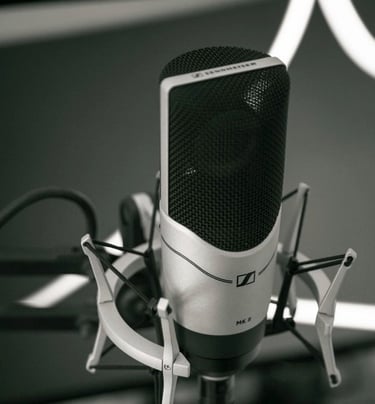
If your audience can’t hear clearly, they’ll stop watching — no matter how beautiful your visuals are. Audio is half of your film’s experience.
Why it happens: Relying on the camera’s built-in microphone.
How to avoid it:
· Use an external microphone (lav or shotgun).
· Record room tone and check levels before each take.
· Edit with good headphones — not laptop speakers.
Tip: Free tools like Audacity or DaVinci Resolve Fairlight can help clean up background noise.
Bad Lighting
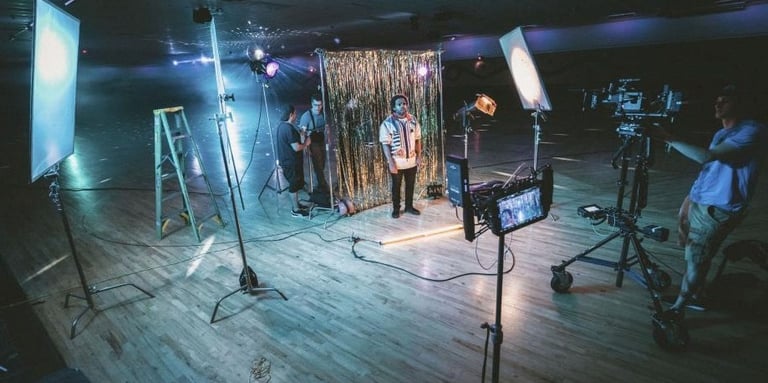
Lighting can make or break your film. Many first-time directors underestimate how much light shapes emotion, clarity, and mood.
Why it happens: Shooting anywhere, anytime, without a lighting plan.
How to avoid it:
· Use natural light (shoot near windows or at “golden hour”).
· Bounce light off white walls or cheap reflectors.
· Avoid harsh midday sun — it creates ugly shadows.
Pro tip: Watch your favorite films with the sound off — study how light tells the story.
Rushed Editing
Editing isn’t just assembling clips — it’s rewriting your story visually. Beginners often rush this step or overuse flashy effects.
Why it happens: Excitement to finish and share the film quickly.
How to avoid it:
· Give yourself space: edit, then step away and review later.
· Focus on pacing, rhythm, and emotional flow.
· Learn basic color correction to unify your shots.
Tools: DaVinci Resolve, Premiere Pro, or free alternatives like HitFilm Express.
Doing Everything Alone
Film is teamwork. Trying to do everything — directing, filming, acting, editing — usually leads to burnout and weak results.
Why it happens: You think you must prove you can do it all.
How to avoid it:
· Collaborate! Find classmates, friends, or online groups.
· Assign roles: even two or three people make a huge difference.
· Build relationships — these people may become your future crew.
Remember: Great directors aren’t solo geniuses — they’re great collaborators.
Bonus: Forgetting to Learn from Each Project
Every mistake you make is a gift — if you reflect on it.
After finishing a short, ask yourself:
· What worked?
· What didn’t?
· What would I do differently next time?
Keep a filmmaking journal or share your lessons online. Growth comes from consistent reflection.
👉 Internal link suggestion:
“If you want to go deeper, check out our Course

Real Example
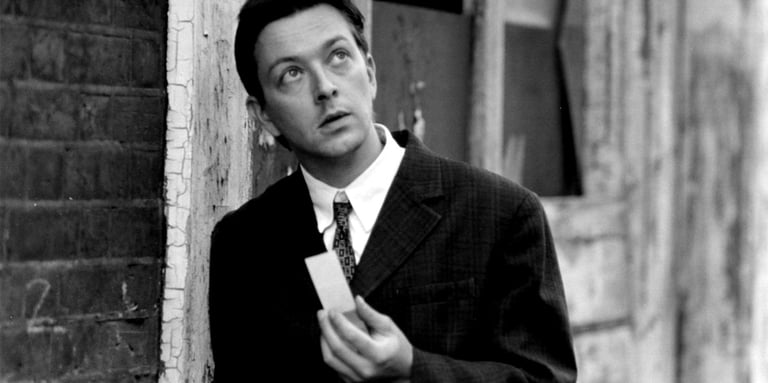
When Christopher Nolan made his first film (Following, 1998), he shot on weekends with friends, using 16mm black-and-white film to save money.
It wasn’t perfect — but it taught him everything about directing, logistics, and storytelling.
Lesson: Mistakes aren’t failures — they’re training for your next masterpiece.
Take the Next Step
Want to avoid these mistakes from day one?
Our International Online Filmmaking Course will guide you through scriptwriting, directing, cinematography, and editing — with professional feedback at every stage.
FAQ
What’s the most common beginner filmmaking mistake?
Neglecting the story. Even with great visuals, a weak story loses the audience.
How can I make my short film look professional?
Focus on good lighting, clean sound, and a stable camera. Small improvements make a huge difference.
Should I buy expensive gear to avoid mistakes?
No — experience and planning matter far more than equipment quality.
Conclusion
Every filmmaker stumbles at the beginning. The key is to learn, improve, and keep creating.
The difference between amateurs and professionals isn’t perfection — it’s persistence.
🎬 “Every mistake is a scene in your journey to becoming a filmmaker.”
👉 Call to Action:
Learn filmmaking the smart way.
Enroll today and create short films you’ll be proud to share.
“If you want to go deeper, check out our Course